Skip to main content Skip to search Skip to main navigation
Car Icon Select your vehicle for a selection of compatible products

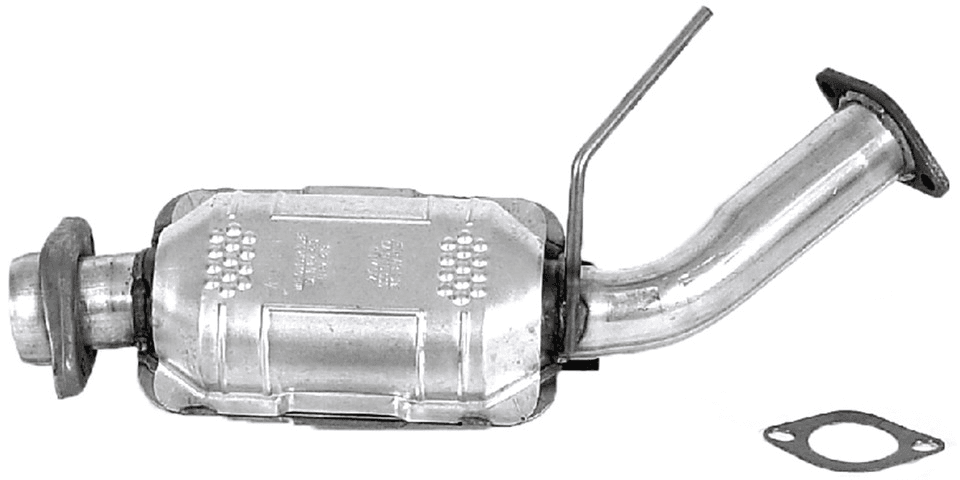
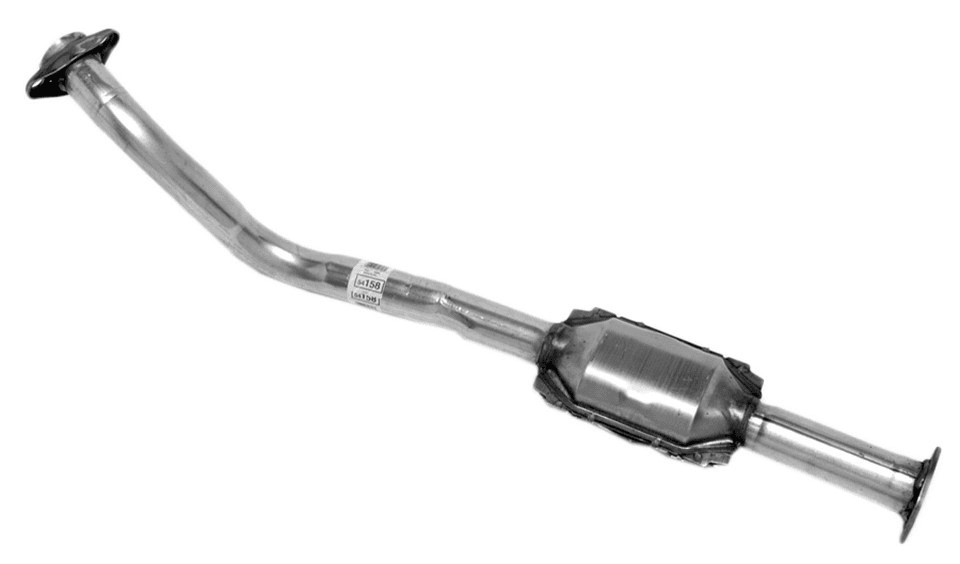
Universal and direct-fit catalytic converters for your US vehicle in a large selection

Catalytic converters have been original equipment in most vehicles with gasoline engines in the USA since 1975. Since their inception, they have evolved from the 2-way catalytic converter to the 3-way catalytic converter with air supply to the modern 3-way catalytic converter. Early 2-way catalytic converters, also known as oxidation catalytic converters, were so called because they only converted HC and CO. In the late 1970s and early 1980s, they were replaced on most vehicles by 3-way catalytic converters, which can also control NOx emissions. 3-way catalytic converters are known as oxidation-reduction catalytic converters.

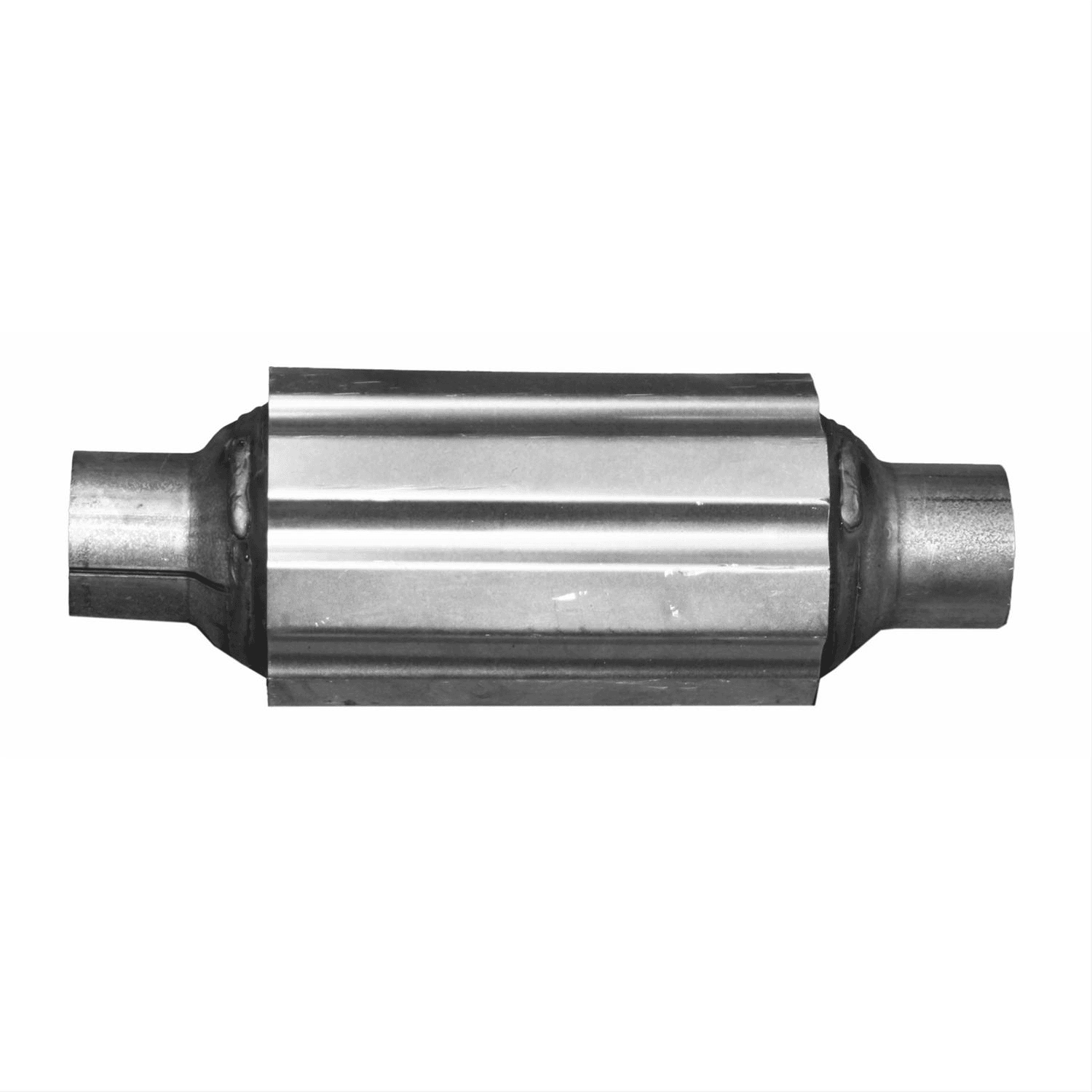
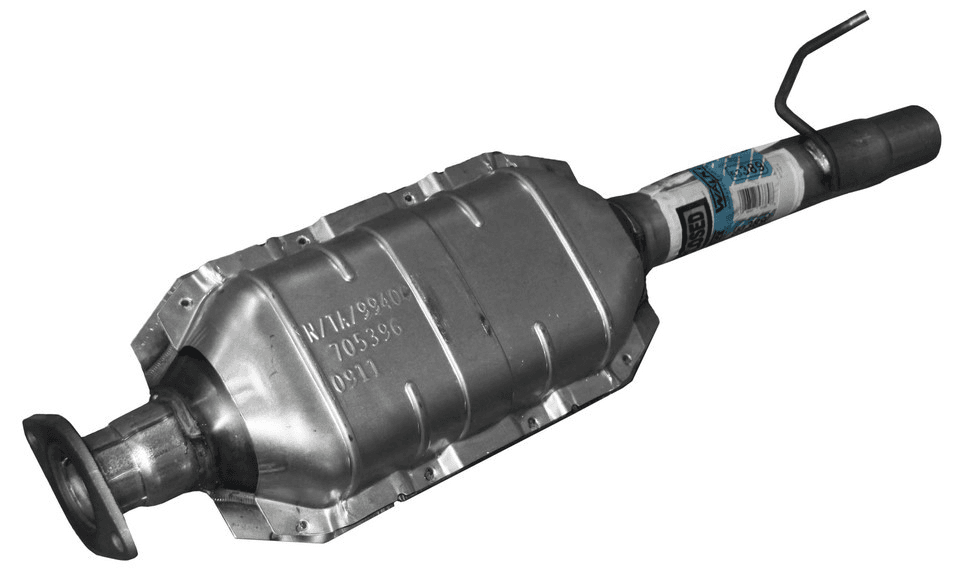
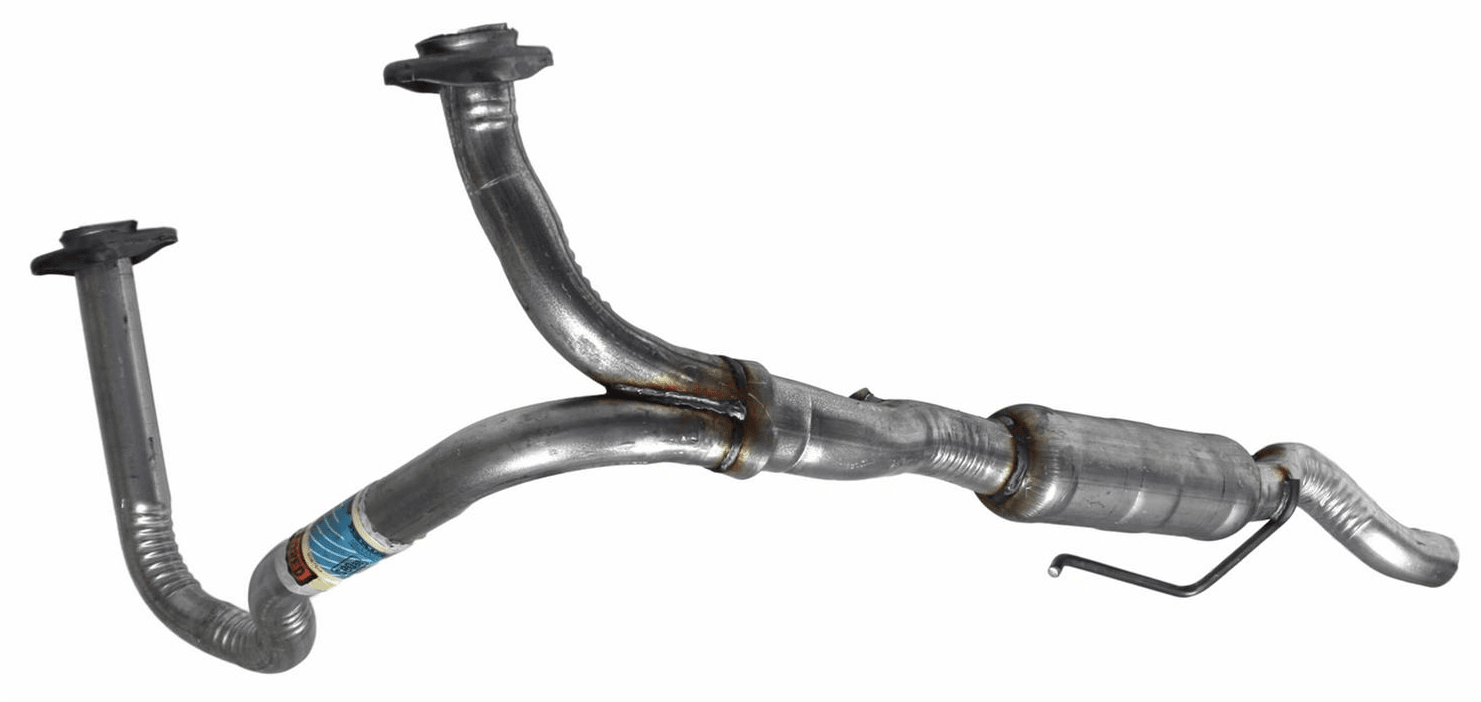
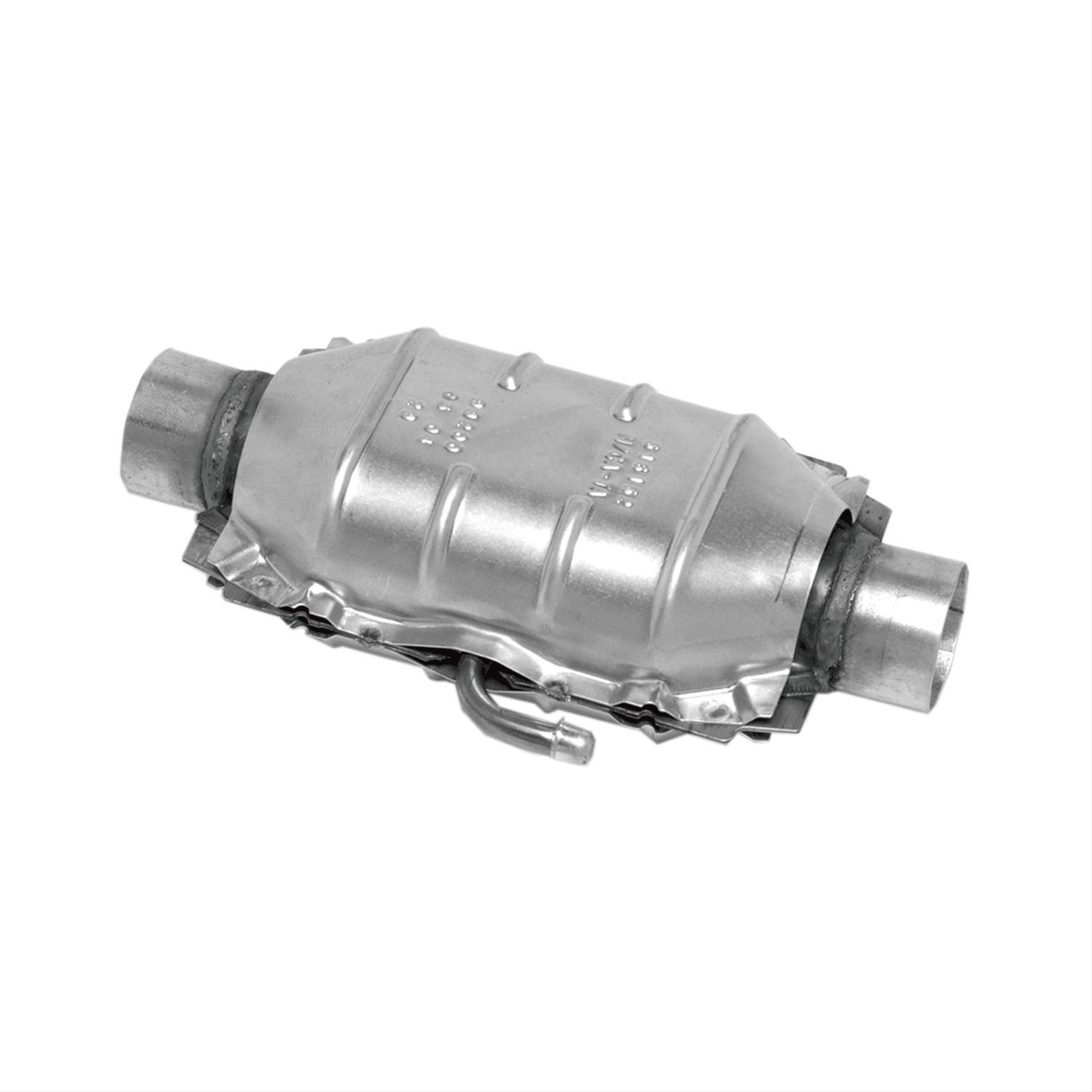
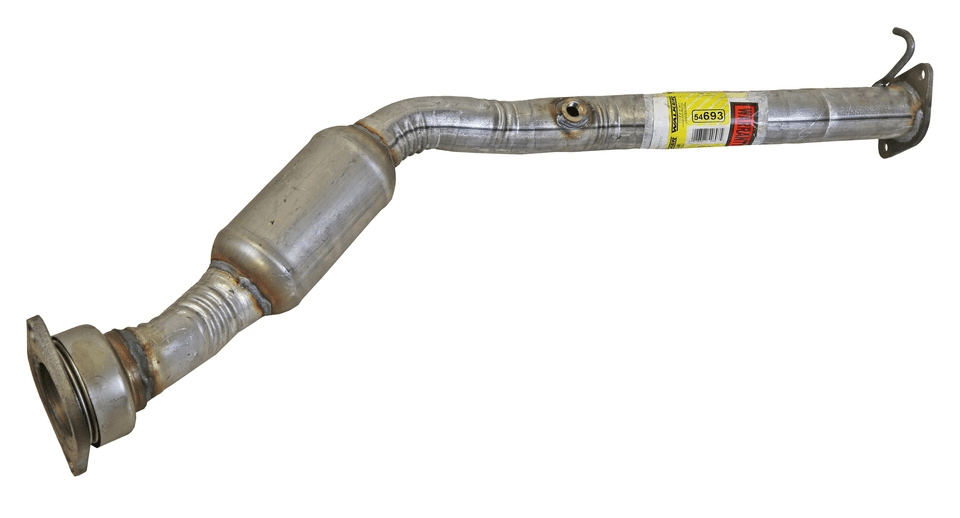
In general, a catalyst consists of a cylindrical stainless steel housing in which a monolithic substrate containing the catalyst is housed. The most common catalyst materials are the precious metals platinum, palladium and rhodium. The substrate is designed to capture as much exhaust gas as possible as it flows through the catalyst in order to achieve maximum conversion and efficiency. 2-way catalytic converters use platinum and palladium to oxidize CO and HC. 3-way catalytic converters also have rhodium to reduce NOx. Early 3-way catalysts had a separate substrate that oxidized CO and HC using supplemental oxygen supplied by an air pump. Modern 3-way converters use advanced chemistry, O2 monitoring and computerized fuel control to convert all three harmful gases without additional oxygen.

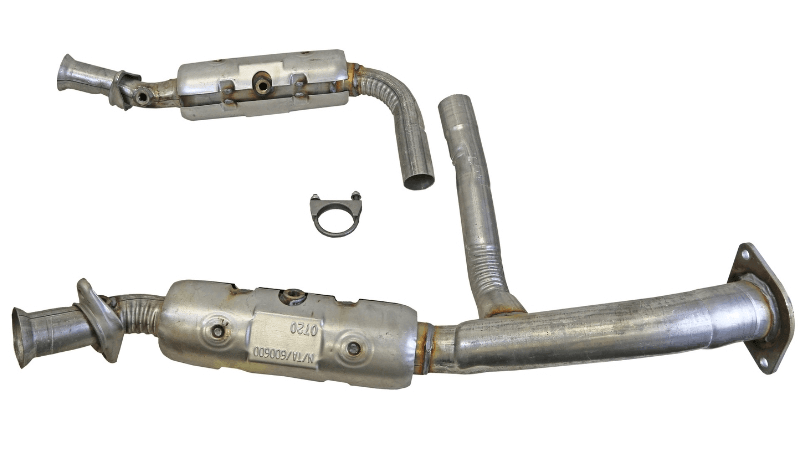
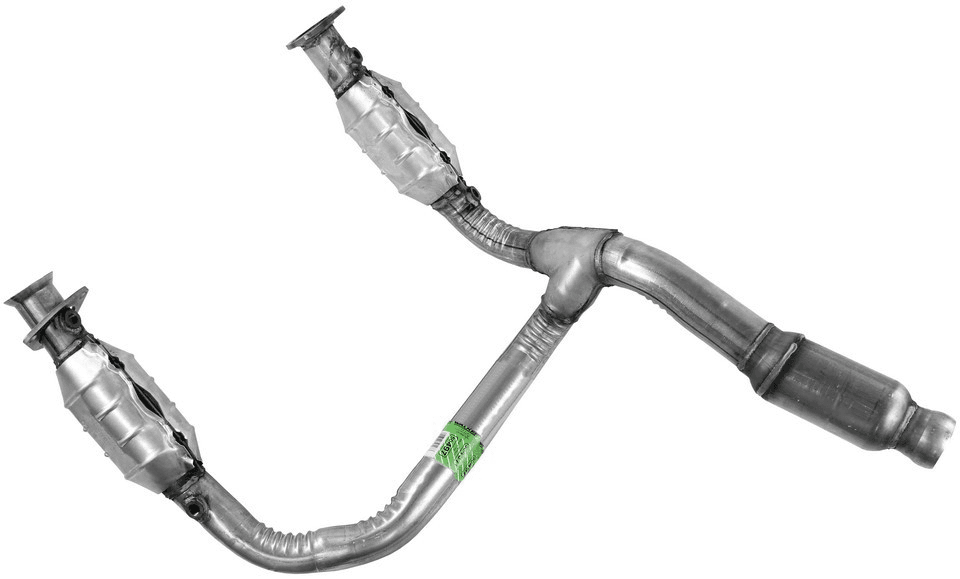
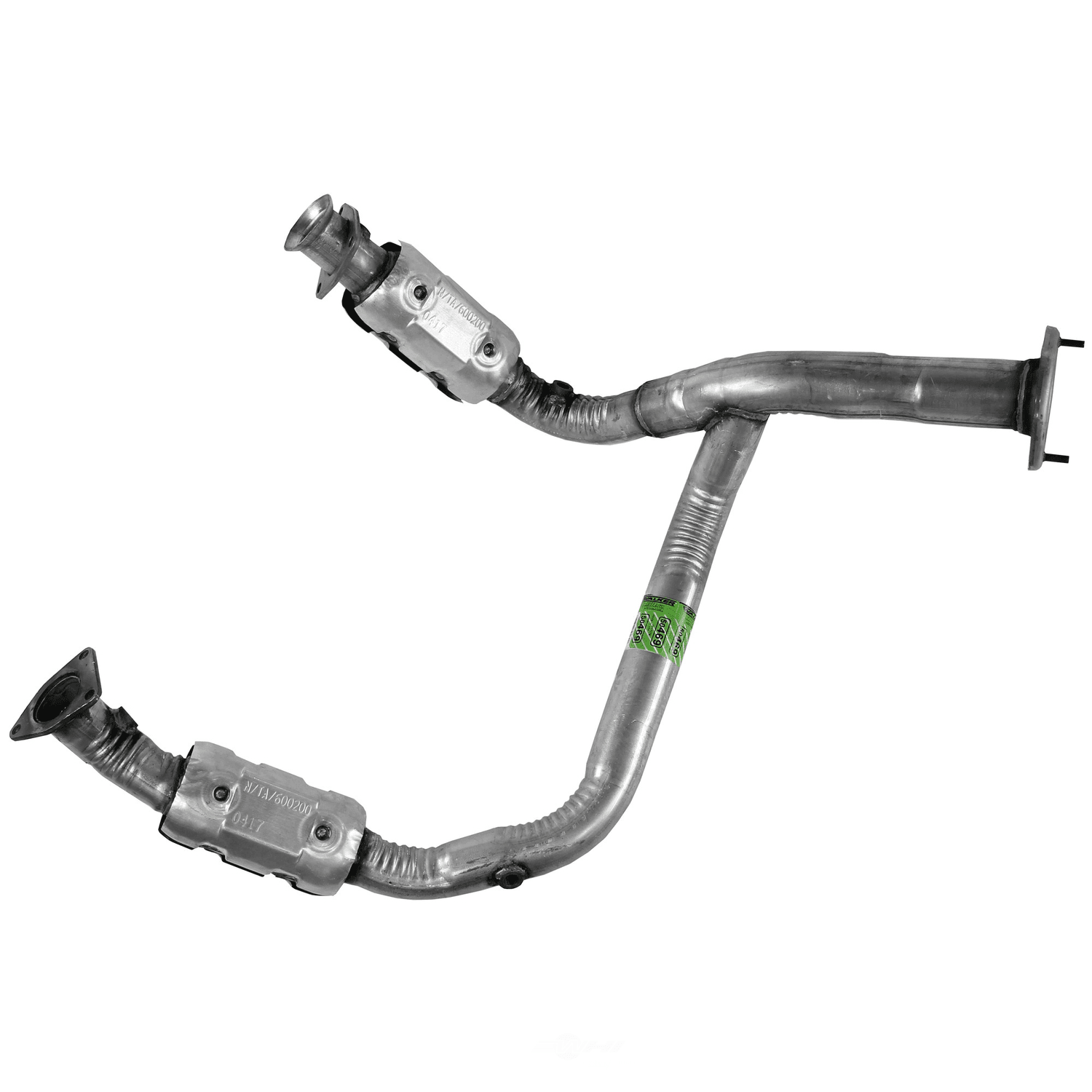
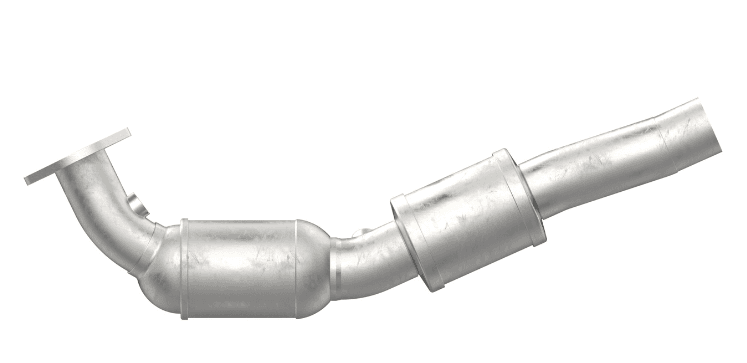
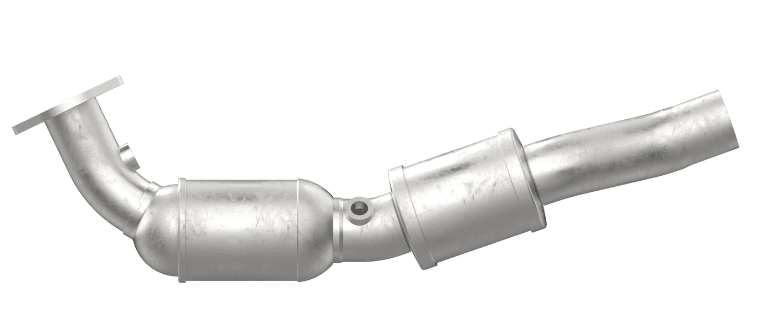
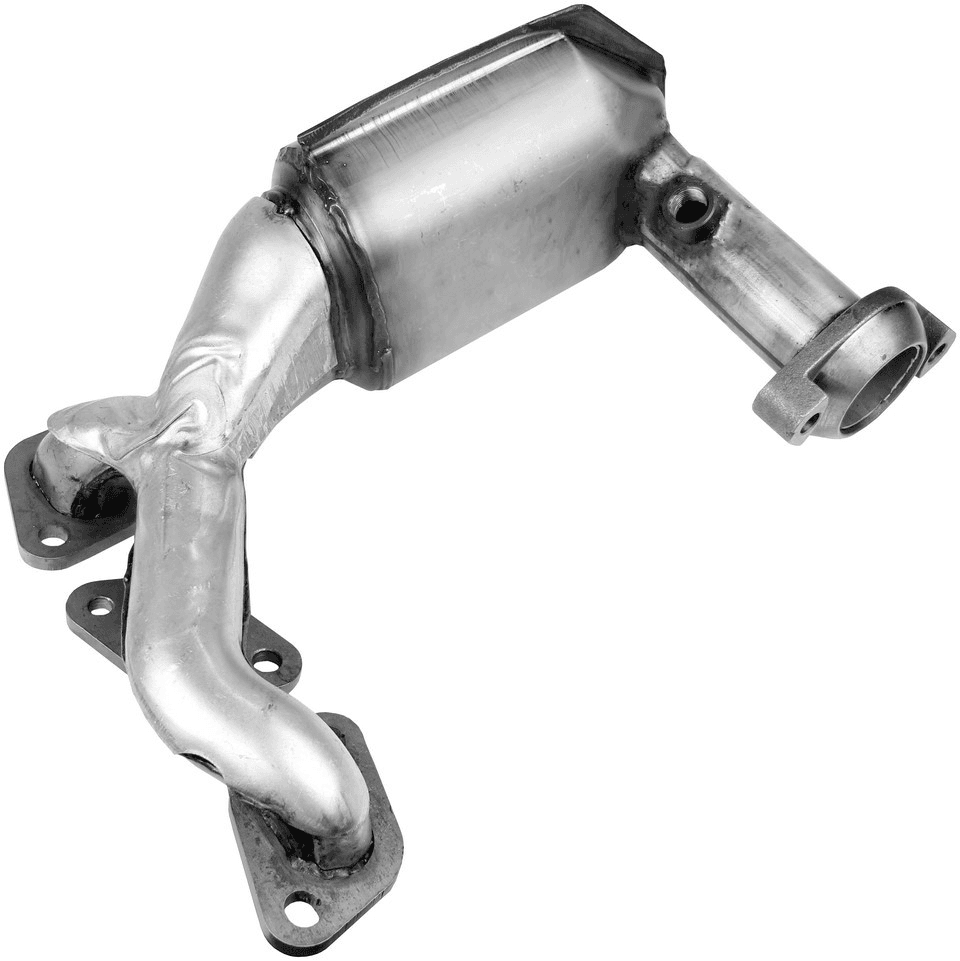
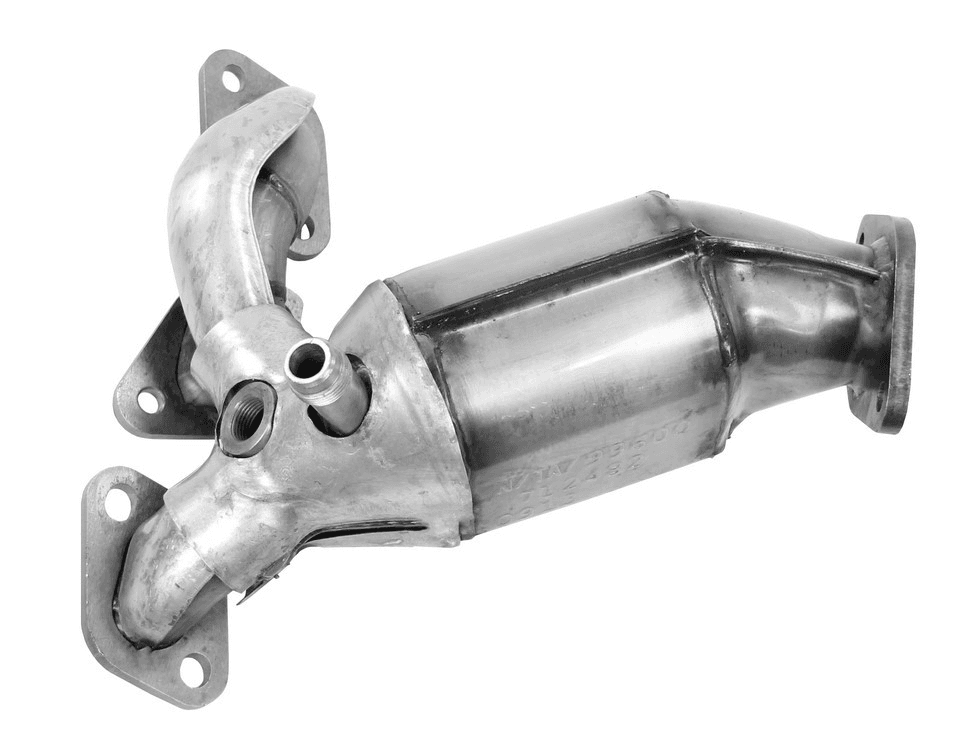
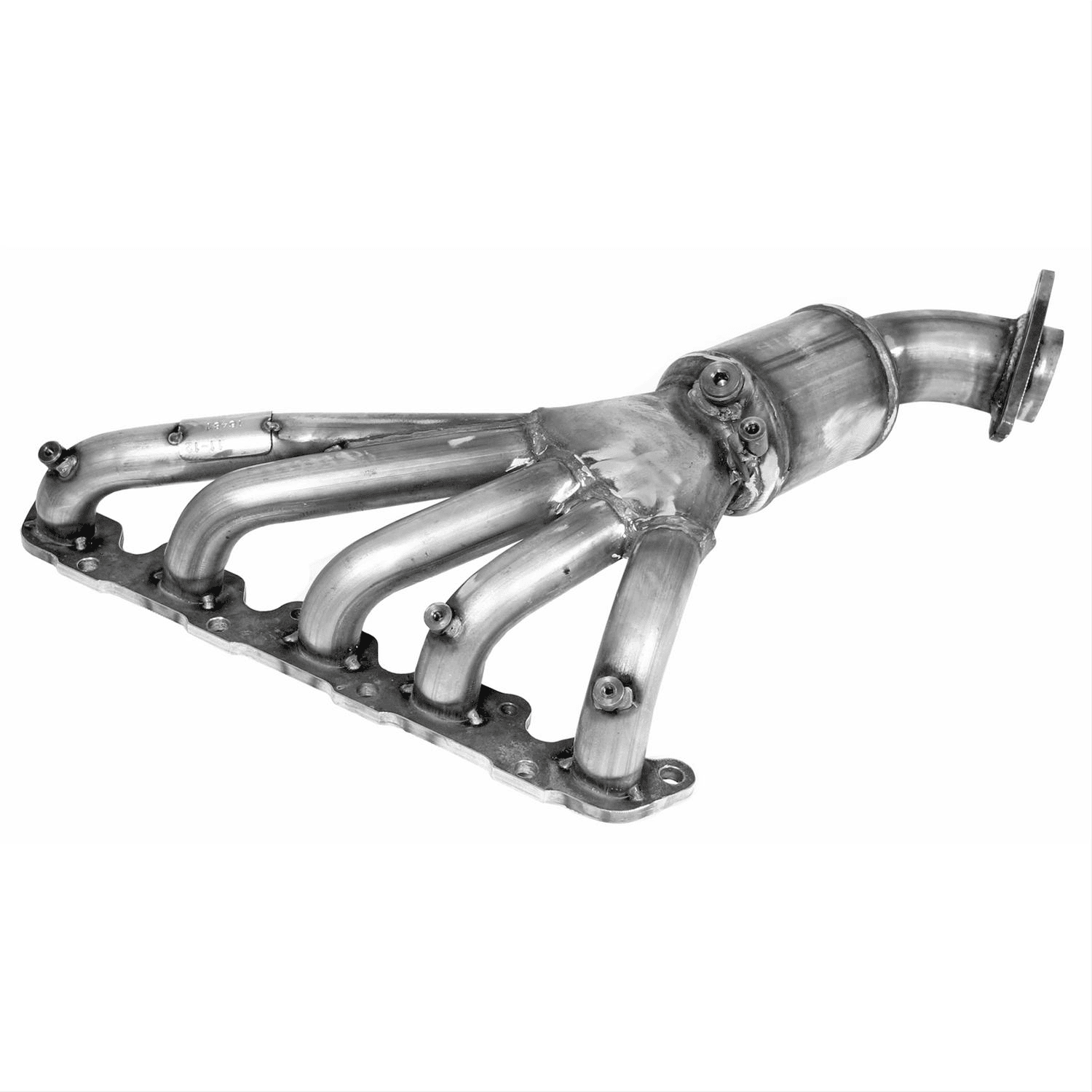
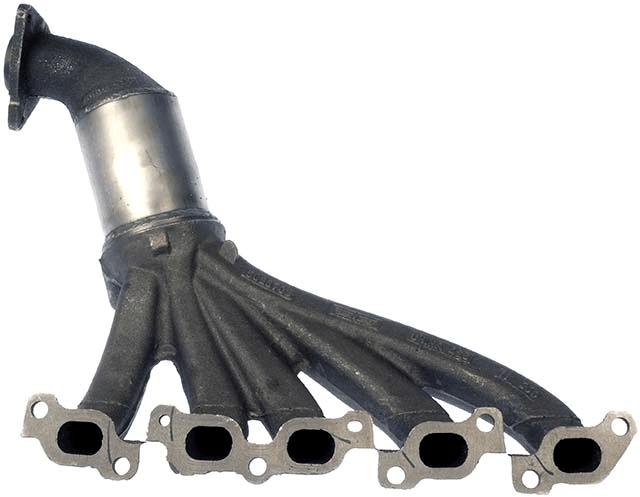
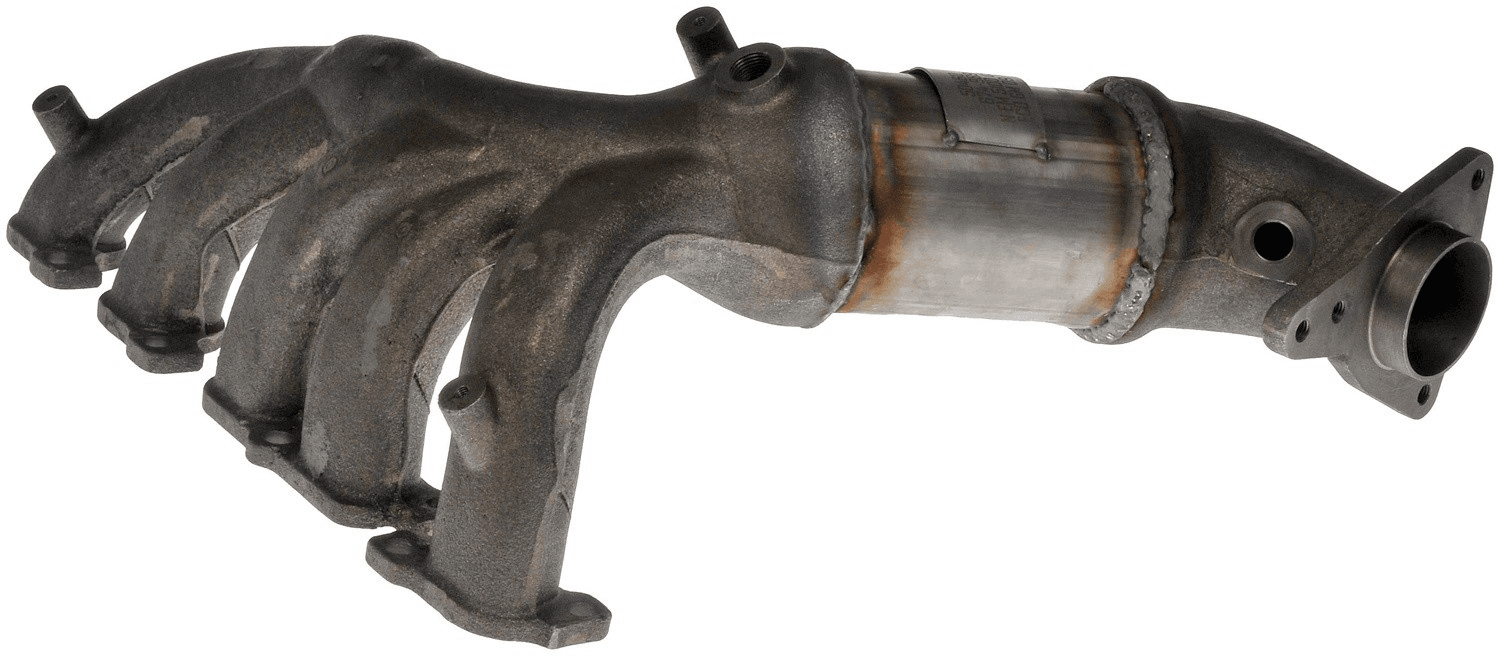
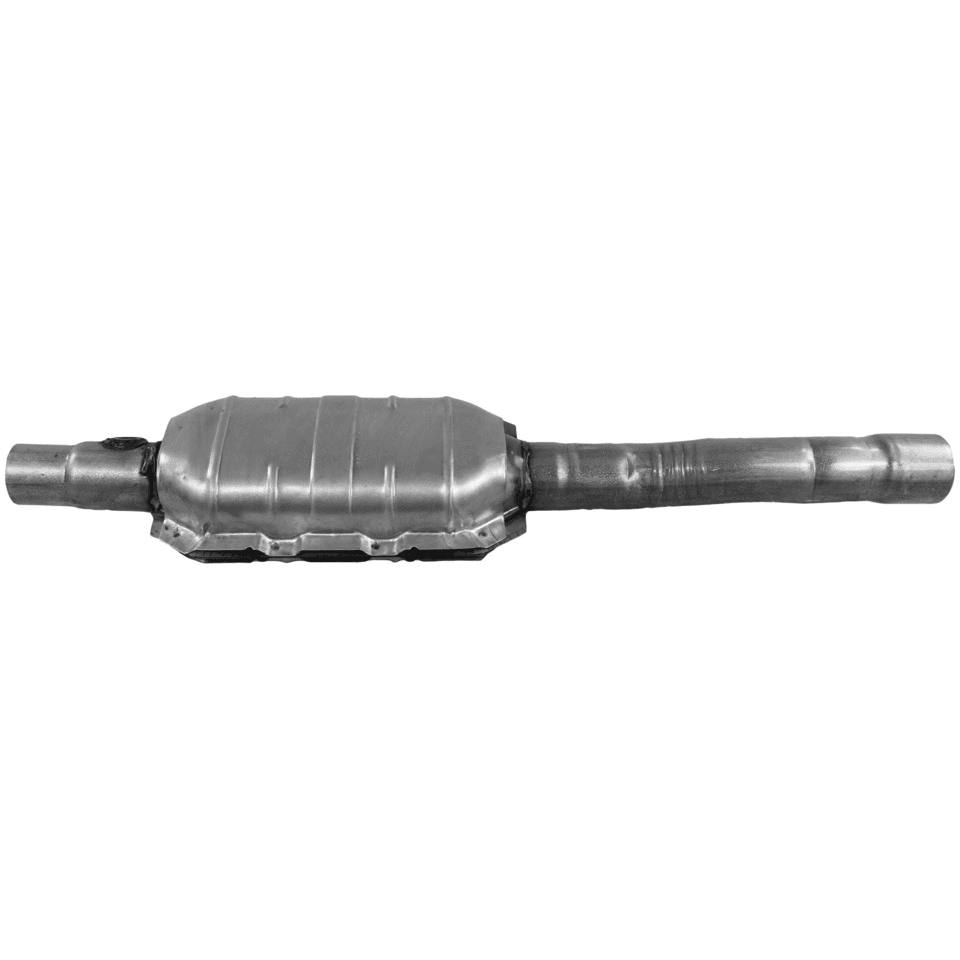
The catalytic converter is part of your vehicle's exhaust systembut above all it is also a key component of the exhaust system. The catalytic converter absorbs the carbon monoxide (CO), hydrocarbons (HC) and nitrogen oxides (NOx) produced during combustion and converts them into water, carbon dioxide (CO2) and nitrogen (N2). The component is so called because it contains substances that trigger a chemical reaction without undergoing a chemical change. Fix your catalytic converter problems by choosing from a wide range of catalytic converters available at Usparts-Shop. There is a huge selection of catalytic converters for virtually all makes and models of vehicles. Whether you're building a project car or replacing a broken original part, there are many great options to choose from. Our aftermarket replacement catalytic converters will help keep your vehicle running clean and performing the way you want it to. Shop universal and direct-fit catalytic converters from your favorite brand companies, including MagnaFlow, Catco, Walker Exhaust, Flowmaster, PaceSetter, Dorman and more! Order your new catalytic converter today from RiCo Automotive Parts and Accessories.
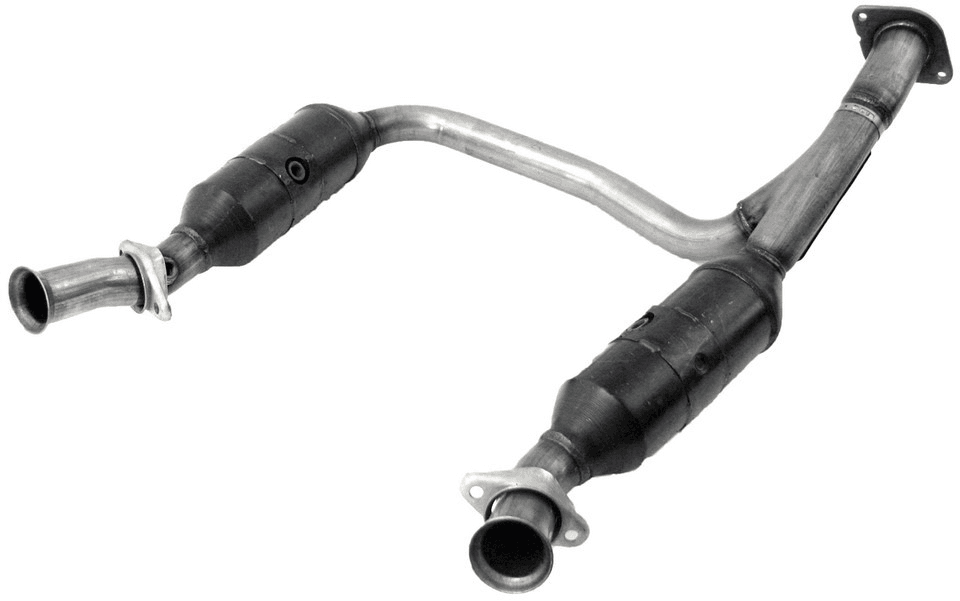
Universal and direct-fit catalytic converters for your US vehicle in a large selection

Catalytic converters have been original equipment in most vehicles with gasoline engines in the USA since 1975. Since their inception, they have evolved from the 2-way catalytic converter to the 3-way catalytic converter with air supply to the modern 3-way catalytic converter. Early 2-way catalytic converters, also known as oxidation catalytic converters, were so called because they only converted HC and CO. In the late 1970s and early 1980s, they were replaced on most vehicles by 3-way catalytic converters, which can also control NOx emissions. 3-way catalytic converters are known as oxidation-reduction catalytic converters.

In general, a catalyst consists of a cylindrical stainless steel housing in which a monolithic substrate containing the catalyst is housed. The most common catalyst materials are the precious metals platinum, palladium and rhodium. The substrate is designed to capture as much exhaust gas as possible as it flows through the catalyst in order to achieve maximum conversion and efficiency. 2-way catalytic converters use platinum and palladium to oxidize CO and HC. 3-way catalytic converters also have rhodium to reduce NOx. Early 3-way catalysts had a separate substrate that oxidized CO and HC using supplemental oxygen supplied by an air pump. Modern 3-way converters use advanced chemistry, O2 monitoring and computerized fuel control to convert all three harmful gases without additional oxygen.

The catalytic converter is part of your vehicle's exhaust systembut above all it is also a key component of the exhaust system. The catalytic converter absorbs the carbon monoxide (CO), hydrocarbons (HC) and nitrogen oxides (NOx) produced during combustion and converts them into water, carbon dioxide (CO2) and nitrogen (N2). The component is so called because it contains substances that trigger a chemical reaction without undergoing a chemical change. Fix your catalytic converter problems by choosing from a wide range of catalytic converters available at Usparts-Shop. There is a huge selection of catalytic converters for virtually all makes and models of vehicles. Whether you're building a project car or replacing a broken original part, there are many great options to choose from. Our aftermarket replacement catalytic converters will help keep your vehicle running clean and performing the way you want it to. Shop universal and direct-fit catalytic converters from your favorite brand companies, including MagnaFlow, Catco, Walker Exhaust, Flowmaster, PaceSetter, Dorman and more! Order your new catalytic converter today from RiCo Automotive Parts and Accessories.