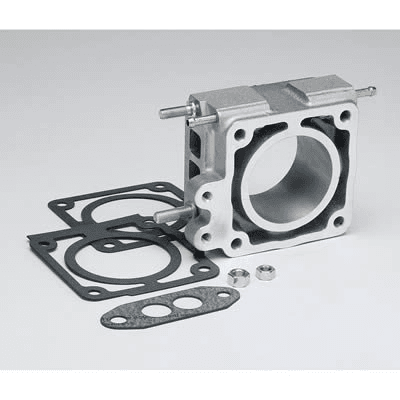
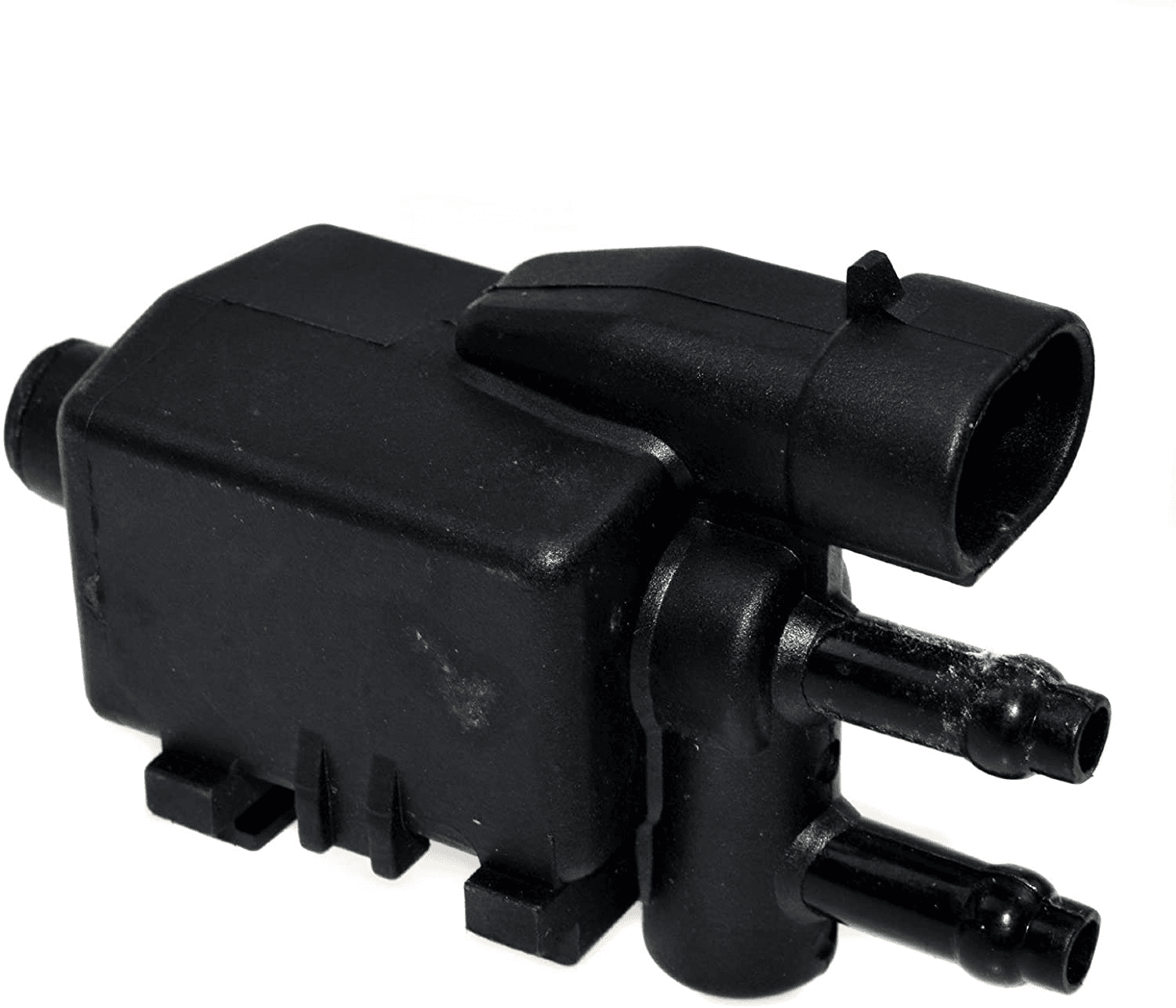
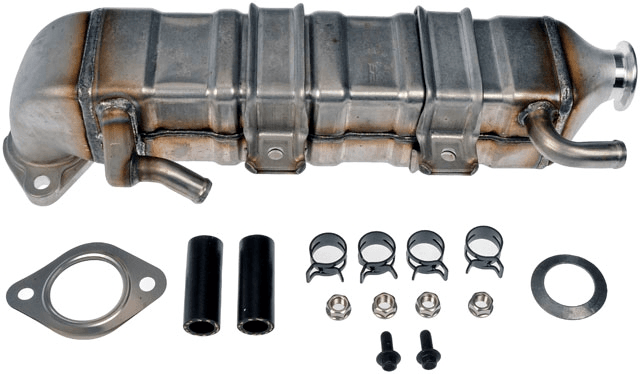
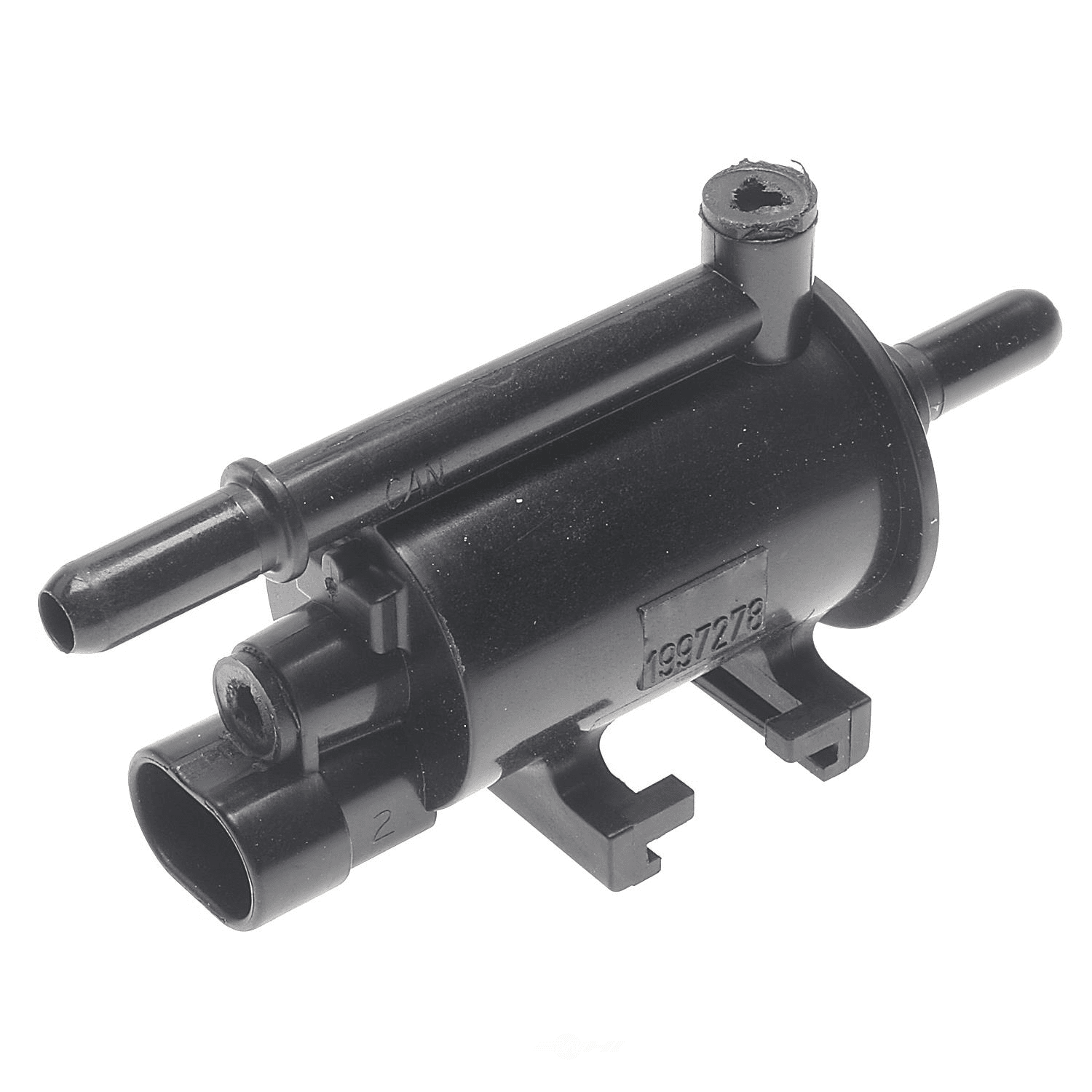
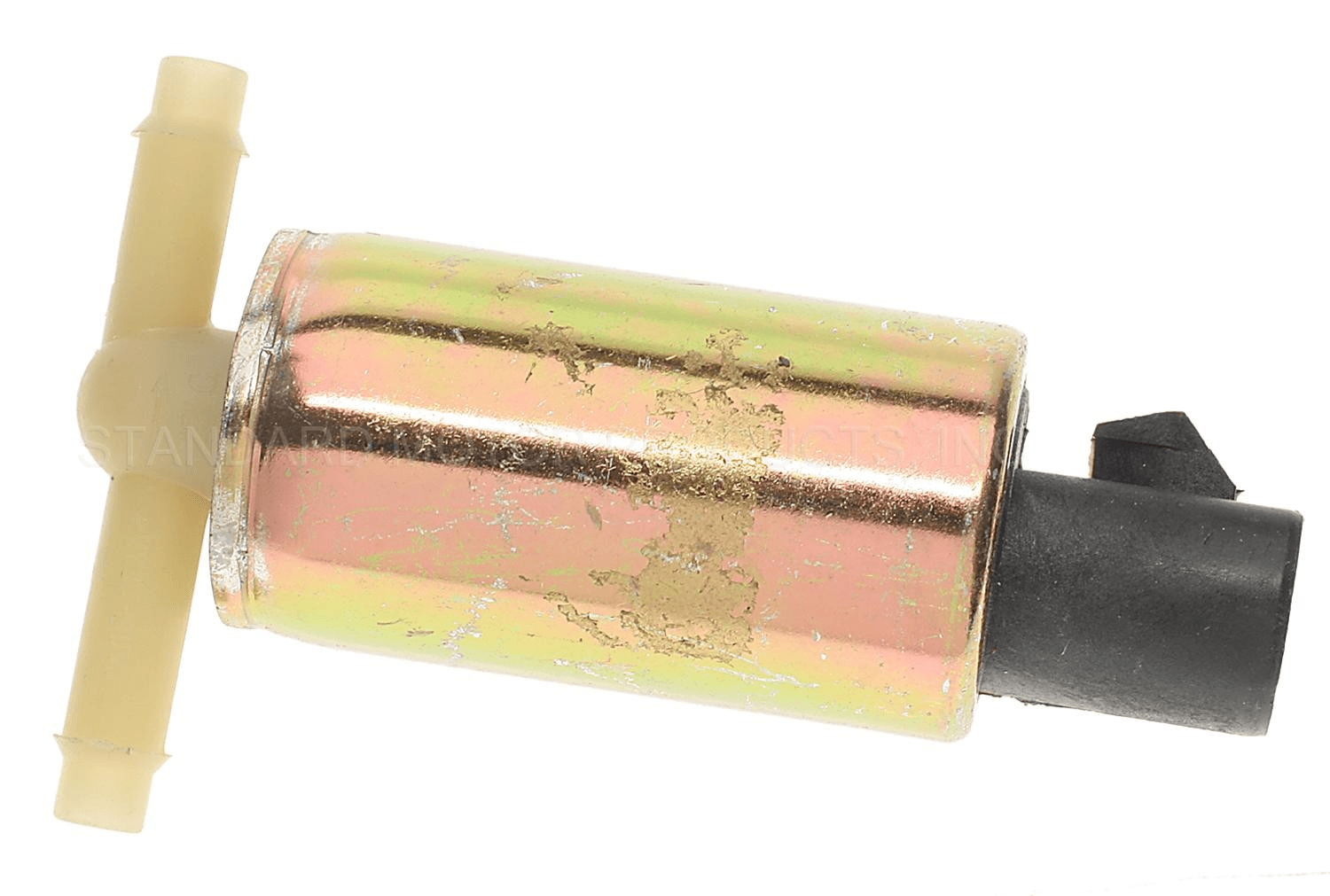
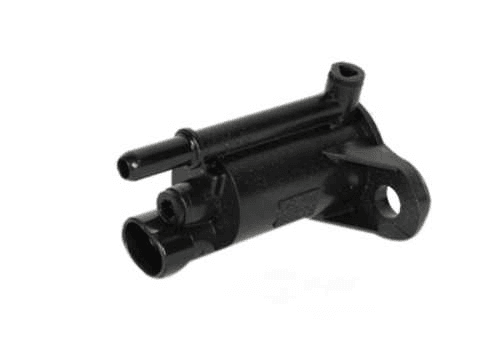
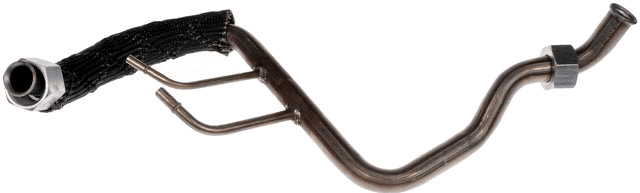
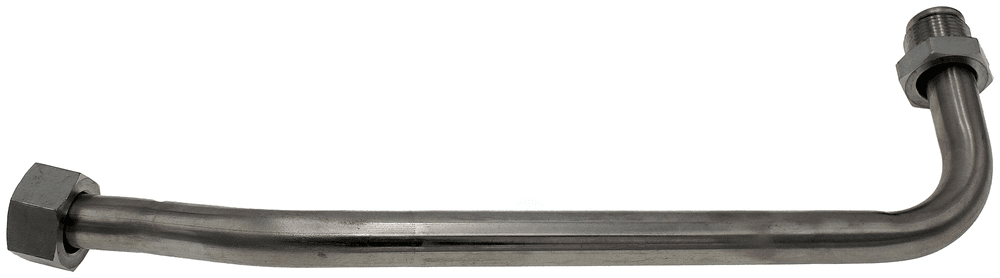
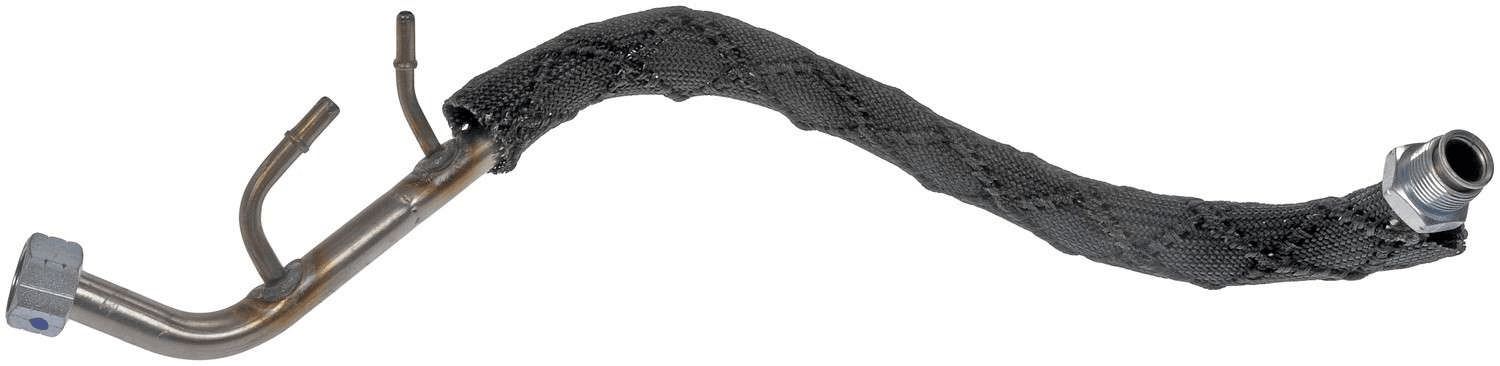
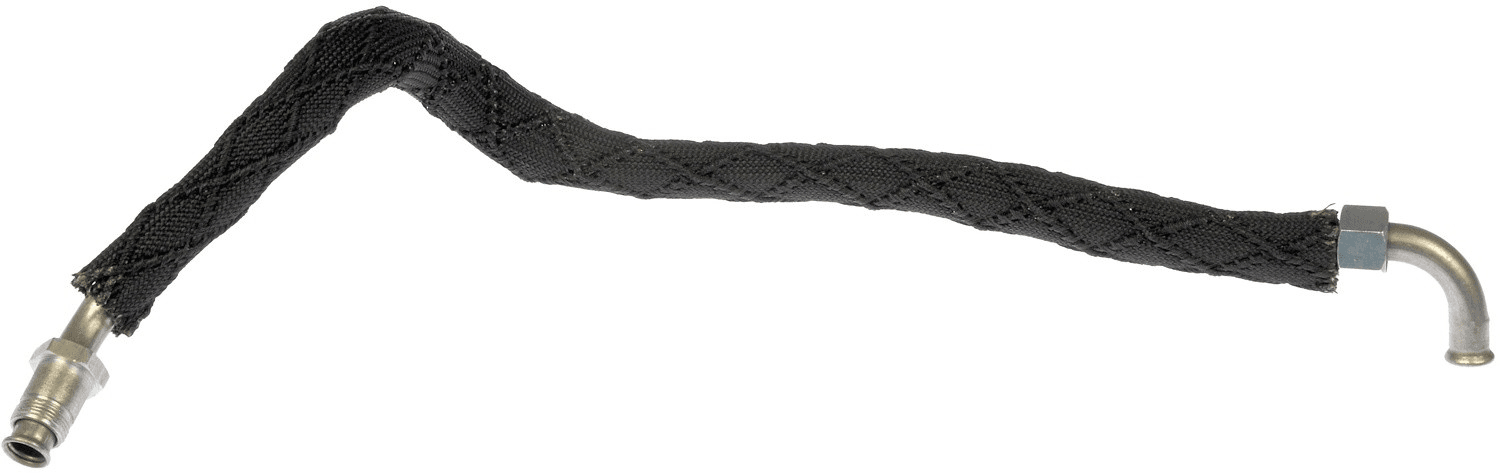
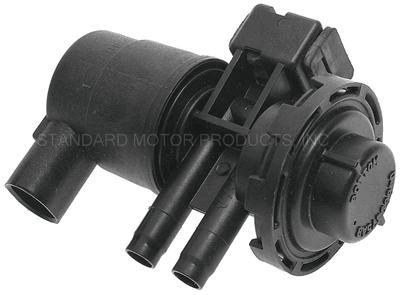
The components of the exhaust system reduce the noise of the engine, guide harmful exhaust gases from the vehicle interior to the rear of the vehicle and reduce exhaust emissions. The exhaust system starts at the cylinder head exhaust ports, where the exhaust gas flows into the exhaust manifold(s). The exhaust gas then flows through pipes past the lambda sensor into the catalytic converter (or multiple catalytic converters) and, on more modern vehicles, past further lambda sensors to escape through the silencer(s) and out the tailpipe(s). We can meet all your exhaust repair requirements, whether you need a complete system or individual components. Emissions are also monitored and controlled by exhaust gas regulation systems such as EGR valves and sensors.
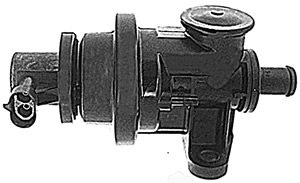
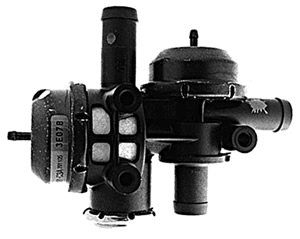
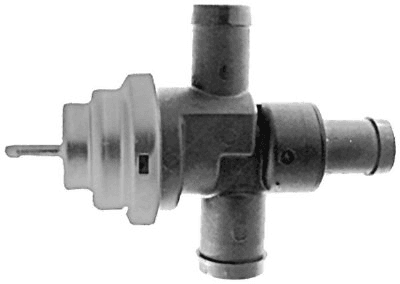
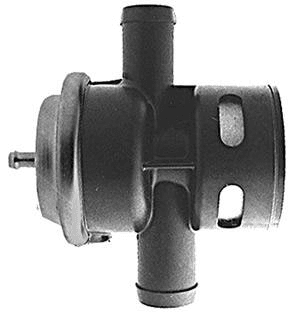
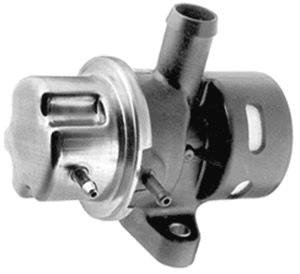
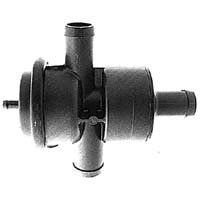
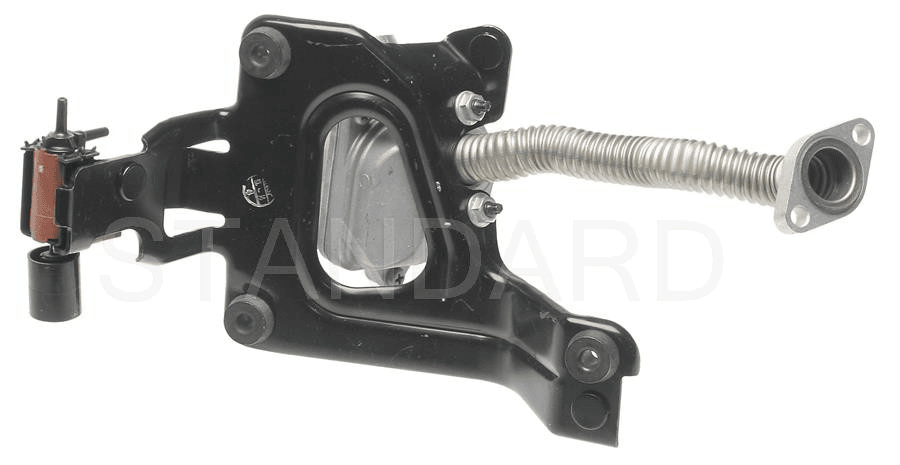
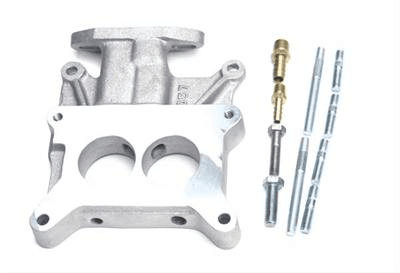
Of course, knowing how important it is doesn't mean much if you don't know what it looks like. The EGR valve is usually housed in a circular metallic component, and this component forms part of a metal tube. It often has a rubber hose connecting it to the intake manifold, or it may even be part of the intake manifold and should be removable from the engine. Most modern vehicle types use a computer and sensors to determine when and how long to open the EGR valve, while older models may also have a vacuum pump nearby that is used to open and close the valve. The fact that it can usually be easily removed is good because there are a number of problems waiting to arise. Since it works with exhaust gases directly from the engine, it retains anything that isn't gas, like contaminated particles, and eventually clogs up. You may also notice problems with the hoses that prevent the exhaust gases from moving properly, or you may find that the sensors around the engine are failing, causing the valve to open at the wrong time. Fortunately, these problems are easy to spot when they occur. You can recognize most problems by the monitoring systems that are connected to your engine. If you notice that the engine won't idle unless you press the gas pedal at the same time, this may be a sign that the valve is opening at the wrong time, taking power away from the engine. Misfiring, rough idling and even a false start can indicate this problem and you should at least inspect the EGR valve and hoses for obvious damage. On a modern car, you'll also see the check engine light, which may relate to the exhaust gas recirculation system, and your engine will feel a little sluggish overall when accelerating.
One of the most important sensors in your vehicle is an oxygen sensor, also known as a lambda sensor. By measuring the oxygen concentration in the exhaust gas, the control unit supports the fine-tuning of the fuel-air mixture, allowing your vehicle to develop its full potential. However, the lambda sensor is usually overlooked. We don't even know it's damaged until the car fails the emissions test.
A modern vehicle is equipped with at least four lambda sensors. You will find two O2 sensors that monitor the efficiency of the catalytic converter, and these are located in each cylinder bank of the engine. They say that these are more like catalytic converter monitors, and only the units that screw into the exhaust manifold exhaust pipe (sometimes between the manifold and the catalytic converter) can be considered O2 sensors. The lambda sensor generates a voltage signal that is proportional to the amount of oxygen in the exhaust gas flow.
The technology behind the O2 sensor is quite complicated. In short, the device works thanks to two porous platinum electrodes with a ceramic electrolyte in between. Depending on the difference between the amount of oxygen in the exhaust gas and the atmosphere, the sensor generates a voltage output - the greater the difference, the higher the output - which is transmitted to the ECM engine control unit, which calculates the air-fuel ratio and adjusts the ratio mix. Certainly there are different O2 sensor design types heated and unheated versions. However, the basic operating principle remains the same for all of them. A heated lambda sensor normally lasts up to 100,000 kilometers, while the unheated lambda sensor has a service life of around 50,000 kilometers. As big as these figures may sound, there are certain factors that can damage the device. Leaded fuel and fuel contaminated with silicates or silicones and oil leaks are just some of the factors that lead to a loss of response. What you need to know are the symptoms of a damaged component. If you notice a sudden increase in fuel consumption or overall poor performance, if the check engine light is flashing and the engine is responding too slowly, contact your trusted garage.
 Select your vehicle for a selection of compatible products